Spring Gardening
Tips for taking care of your garden in Spring by the WellChild Helping Hands team.
Traditionally spring is about new life and growth, so our spring gardening article focuses mainly on planting, feeding, and the caretaking of our gardens.
I find that if I get most of my gardening jobs done in spring, I can sit back and relax throughout the summer simply enjoying my garden and the wildlife it attracts!
Hardscaping
First things first, let’s start by addressing any hardscaping issues. If you have not cleaned your patio or decking over the winter months, nor made any repairs to timber structures like the decking, fencing, pergolas, and planters, then now’s the time to have a thorough inspection and get these issues sorted before you begin planting.
At the minimum, you should at least have a good sweep up on all hard surfaces and, if you can, give them a good clean with soapy water and a stiff brush. If you have a jet washer, you can make things more fun and get things thoroughly clean!
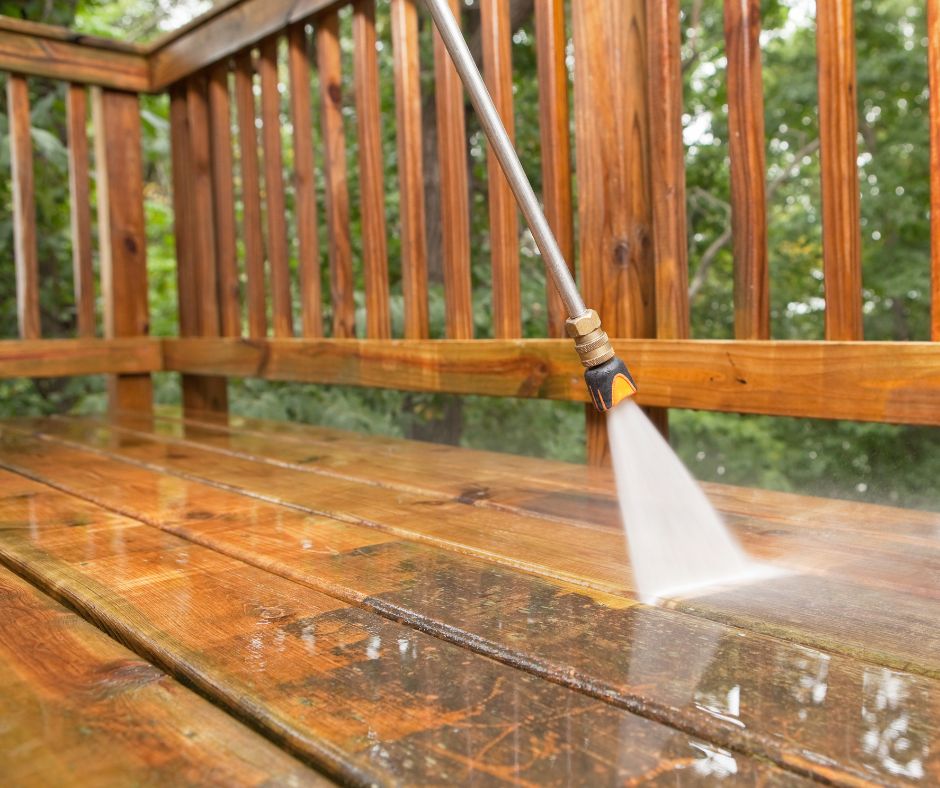
Lastly, if you can find a dry day, you may wish to treat any timber to help preserve it and give it that brand-new look! You can buy a whole range of treatments in a myriad of colours from any DIY store; if you’re overwhelmed by the seemingly unlimited choice then just ask a member of staff to point you in the right direction.
Wicks has a guide on 5 different ways to treat exterior wood here.
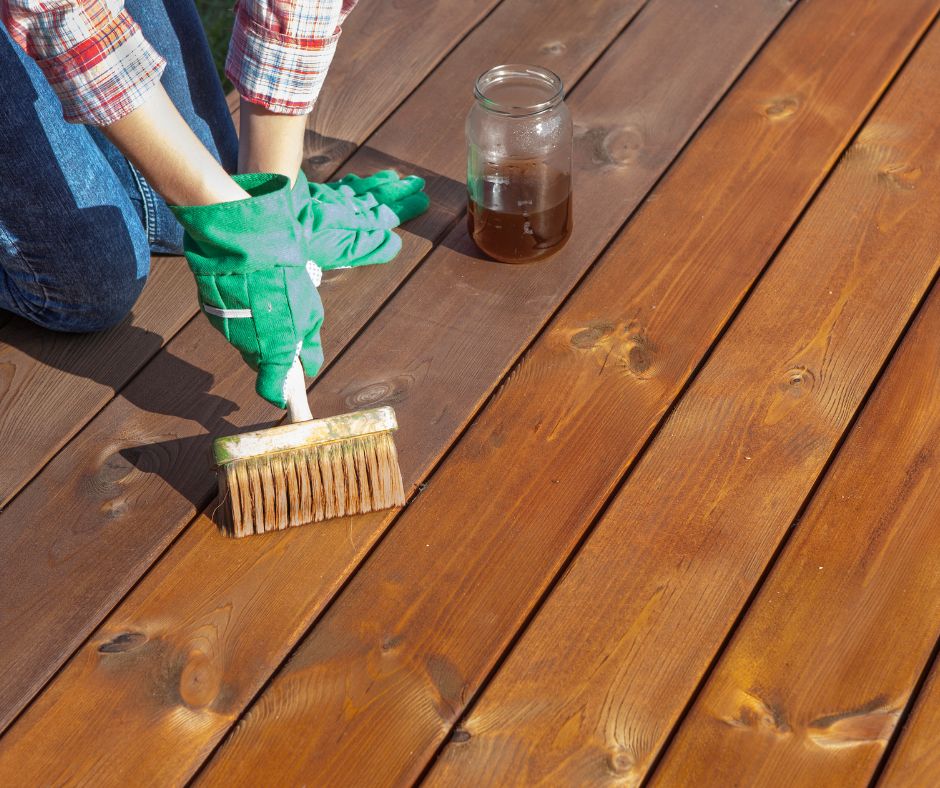
You may find the thought of treating timber a daunting task, especially if you have a large area, but it doesn’t all have to be done in one go! Some people can find the process relaxing and cathartic, and what’s more, the result will encourage you to get outside and do those other gardening jobs you’ve been too busy to sort!
You really can’t go wrong and it’s a great job to get children involved in! Why not paint each fence panel or wooden planter a different colour? You can pick up some very cheap timber paint and paintbrushes from most major discount stores.

Tool Maintenance
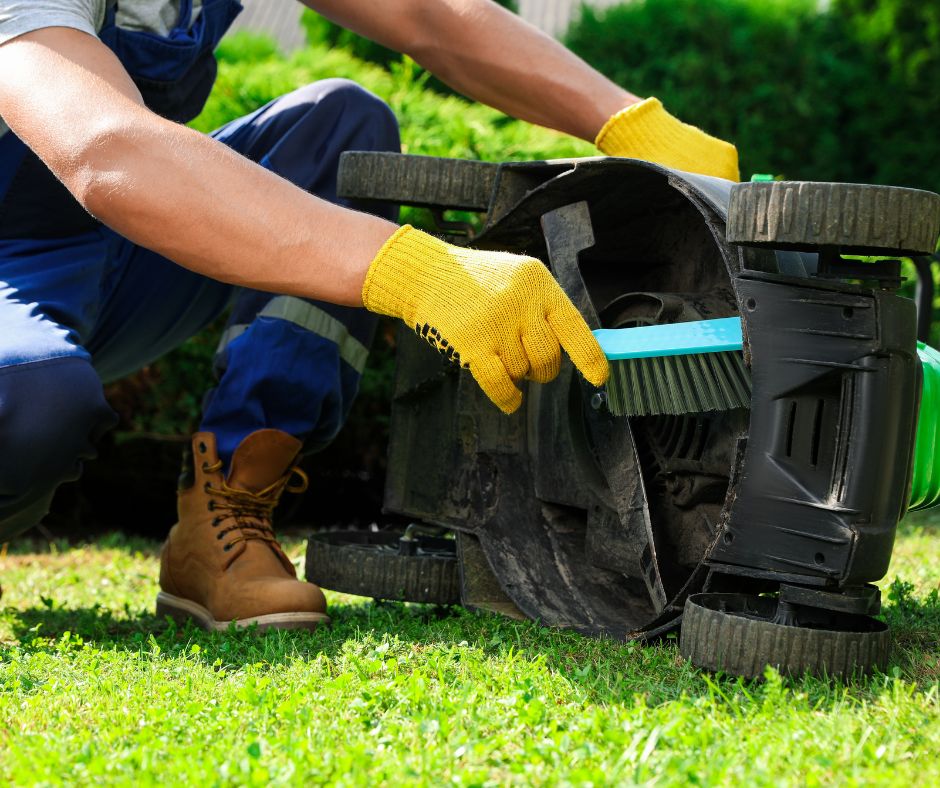
Next on the list is tool maintenance. This could mean simply making sure your lawn mower and secateur blades are sharp, but you may want to take any expensive equipment to a garden machinery store that can perform a tool service for you.
If you plan on sharpening tools yourself, please remember to take safety precautions.
You can watch the Gardener’s World video on how to sharpen garden tools here.
Planting
Once these jobs are all sorted then have a break and think about what you want to plant and where. Don’t worry if you don’t have a grand vision, random planting works; once everything is blooming later in the year it will look great regardless of your design ambitions.
There’s no right or wrong order to do the following jobs, and you may find you don’t have the time to do all of them. That’s ok, just pick the tasks you can handle and which are the most important to you!
For design inspiration view the Gardener’s World article here.
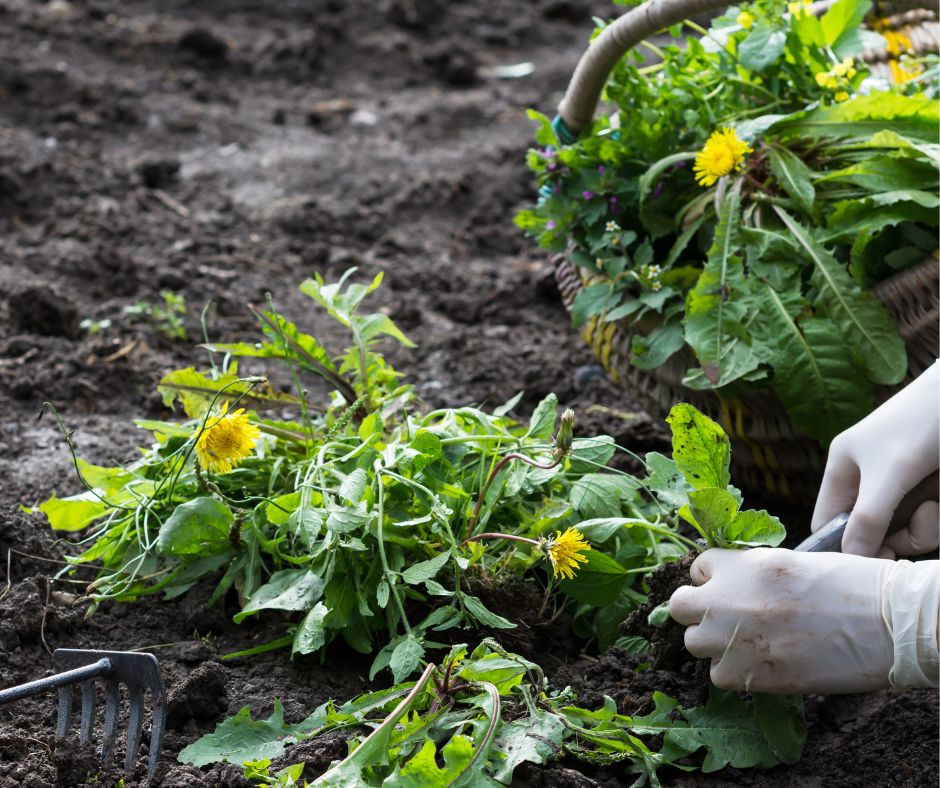
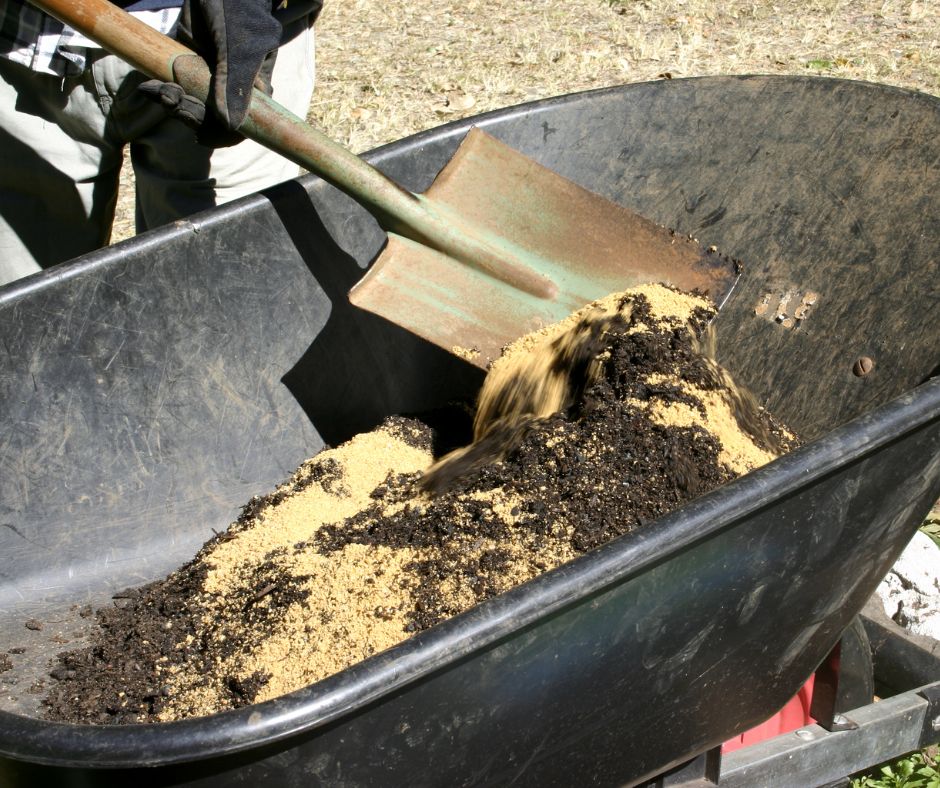
Weeding hits the top of my to-do list every time. Then I usually give my soil a good feed to reinvigorate it. You can do this by sprinkling compost and manure and mixing it into the soil to help provide the necessary nutrients for your plants to flourish later!
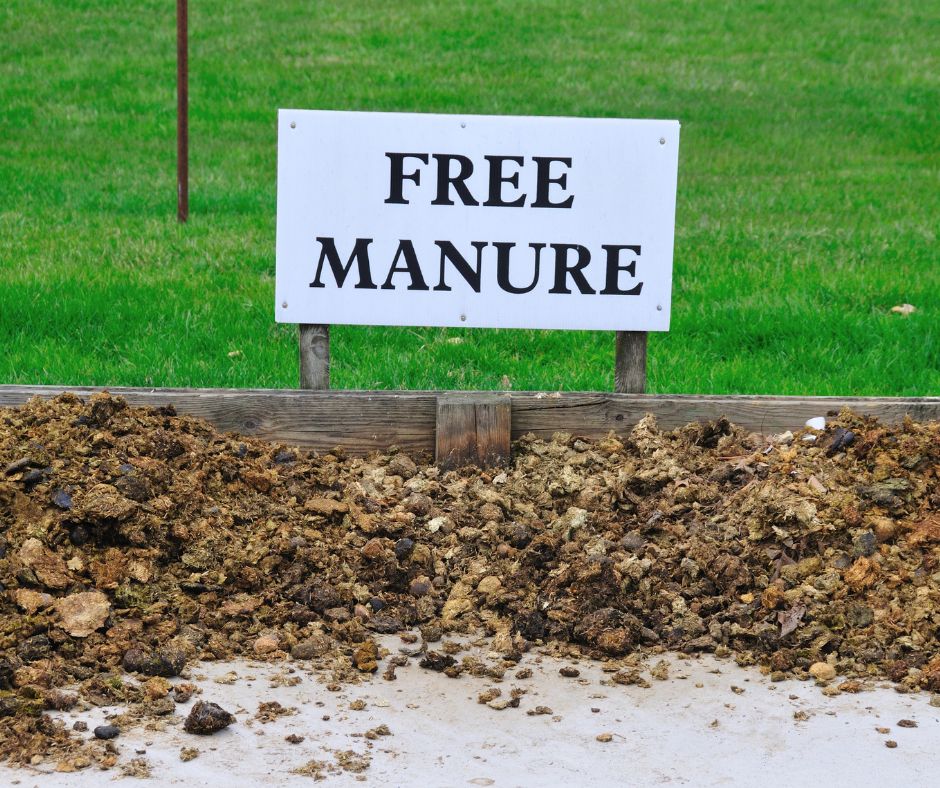
If you want to keep the cost down, you can pick up manure free of charge from roadside stables or farmyards. Just make sure you take protective clothing and gloves, and you have a heavy-duty container to shovel it into, otherwise, you may find your hands and car stink for several days, no matter how hard you try to remove the odour!
If your beds have suffered from being waterlogged over the winter, a good way to improve drainage is to mix some coarse sharp sand into your soil, which can be bought from DIY stores for around £3 a bag.
A little goes a long way, so you may find you only need one bag for your whole garden!
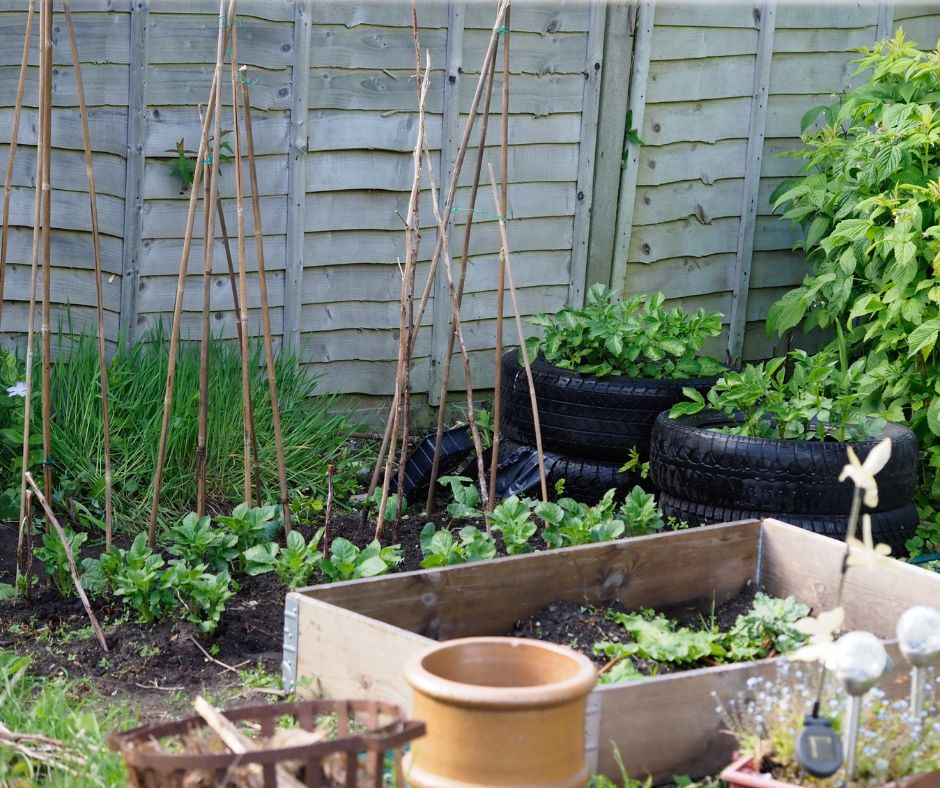
Next, I tend to think about my existing climbers like Clematis, tall plants like Sunflowers, and edible plants like tomatoes. These will all need support to grow from trellis, canes, stakes, or wires once they become established.
Prepare now and you’ll be in a much better place when the summer hits! At worst, just make sure you have a supply of canes and twine ready to hand for when your tall plants really do take off.
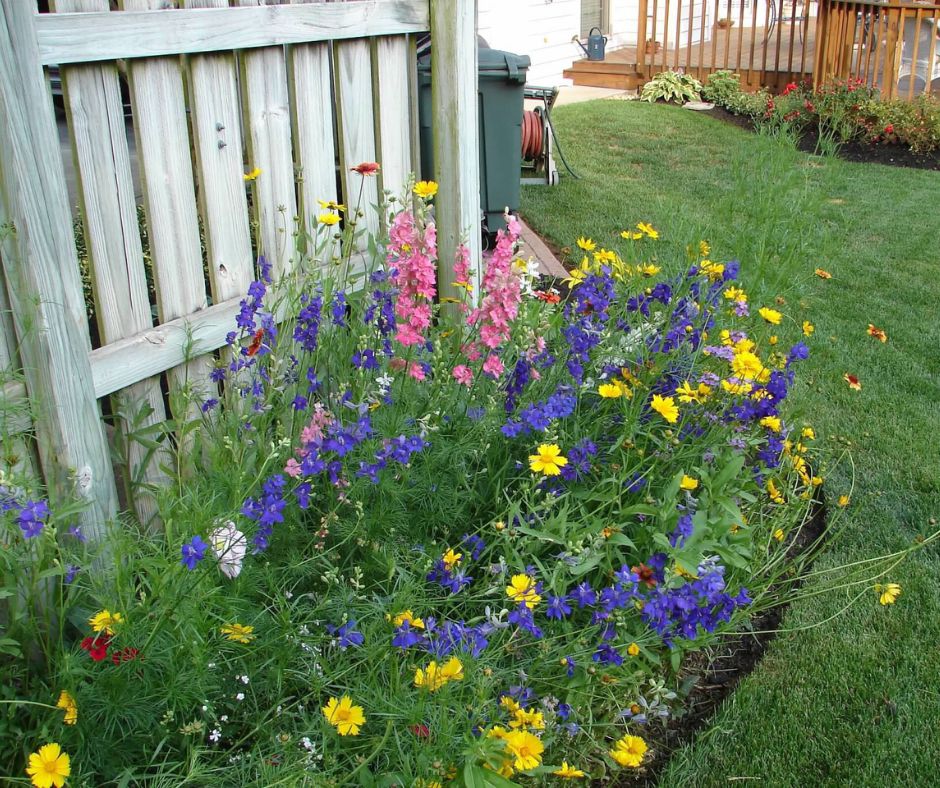
Plants can be pricey, and gardening can become a very expensive hobby, but it doesn’t have to be! You can buy cheap trays of seedlings or if you want to keep things even less costly then you can buy packets of random seeds, like meadow flowers, for as little as 49p for a small packet.
Sometimes, I like to keep an area free in my garden to scatter random seeds and bulbs. I cover them with a fine layer of soil and compost, and then just sit and wait and see what happens! I have never been disappointed with the results; doing this has also helped me learn in a natural, enjoyable, way about planting and plants.
I have even had success scattering wildflower seeds directly onto an area of grass which I just let grow wild. I simply didn’t have time to spend turning the soil and raking seeds in, so just cut the lawn low, sprinkled the seeds, covered it with a fine layer of compost, and watered, then I just let nature take its course over the summer months.
Lawn care
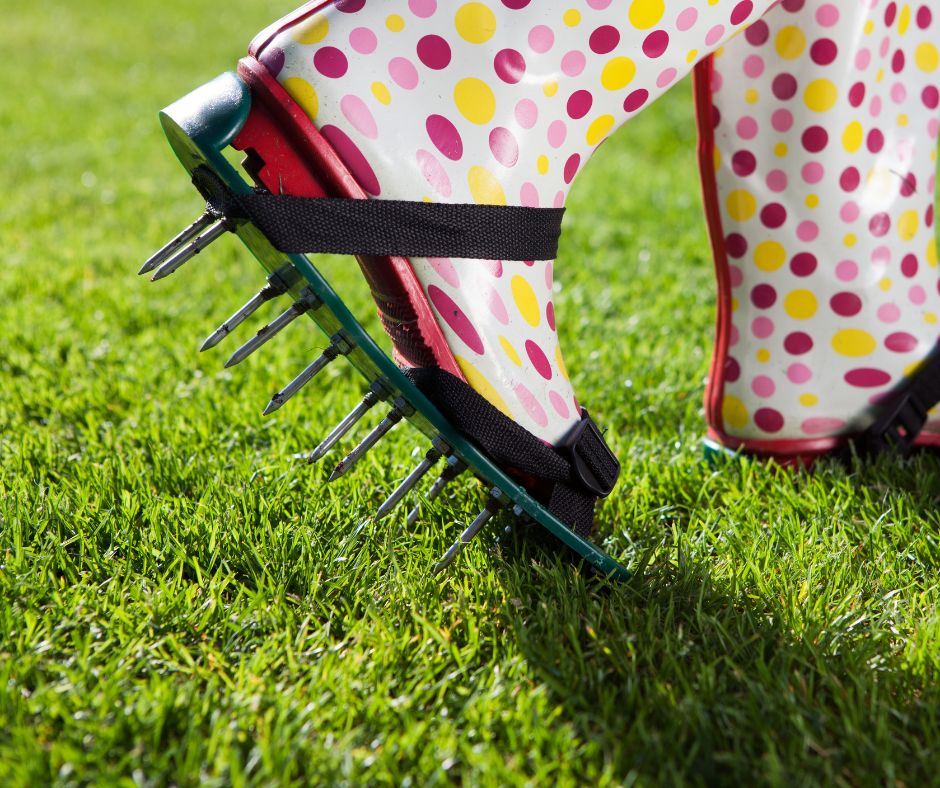
Talking of lawns, now is the time to aerate! Aerating grass helps with drainage and allows water and air to get to its roots, which in turn helps promote healthy growth.
If your soil is full of clay or suffers from heavy traffic, then you should aerate it once a year. For all other soil, you can get away with aerating your grass every three years. While avoiding frosty or wet conditions, simply use a gardening fork, insert it into the soil and give it a slight wriggle before taking it out. This could take some time as you should aim for hole spacing of around 8-10cm across your entire lawn.
Alternatively, you could use an aerator to speed up the process. If you want even better results, then buy a bag or two of top dressing (known as loam) and sprinkle it in the holes after you’ve finished. DIY stores will stock this near their compost.
If your lawn suffers from moss growth then you can also scarify it as well. This is generally done before aerating, so give the moss a good spray with a moss killer and allow it to go brown (this usually takes a couple of weeks). Once the moss is dead, using a thin metal lawn rake or scarifying rake, remove all this dead moss and thin your lawn out. Once completed, go ahead with aerating if you like. Both tasks complement each other well as both promote new and existing healthy grass growth!
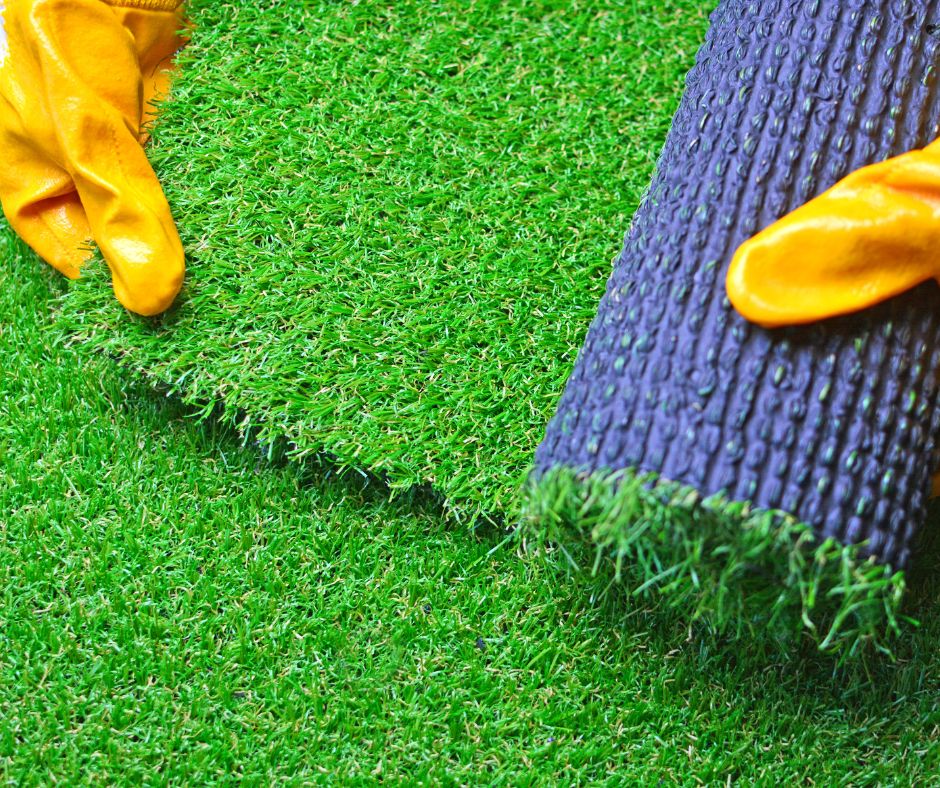
If you have artificial grass then the minimum jobs you should be doing are clearing it of debris like dead leaves, giving it a good sweep with a stiff broom and cleaning up any stains using warm soapy water.
Remember, you don’t have to create a masterpiece and your garden doesn’t have to be perfect this year, next year or ever. Everyone has different abilities, time, money, and enthusiasm for gardening, so just do what suits you and try and have fun, perhaps, involving the family!
Further Resources
Here are some useful online resources for further ideas:
- Gardening checklists by Gardeners World
- Garden Jobs for Spring by Future Garden
- Gardening in April by the Royal Horticultural Society
If you have any comments, ideas, or suggestions about this article please contact us at [email protected]
Please don’t forget to leave feedback on this article!
Roger Merritt, Project Manager
Kathy Gibson, Digital Information Officer
First published: April 2024
Review due: March 2025