Winter Gardening
Tips for taking care of your garden over the winter months by the WellChild Helping Hands team.
Our lives seem to be spent rushing around from pillar to post so it’s understandable that for a lot of families, winter gardening sits right at the bottom of a very long list of things we ought to do!
However, a bit of time taken to care for your plants during these winter months will repay you tenfold come spring, summer, and even into autumn.
Gardening in winter probably isn’t your idea of fun so let’s start with the bare minimum of jobs: Pruning & Protecting!
Pruning
December and January is a great time of year to prune back roses as well as climbers such as Wisteria, Clematis, and Grapevine. Take the time to prune back fruit bushes such as blackcurrants and gooseberries, and apple and pear trees, if you can access them safely of course!
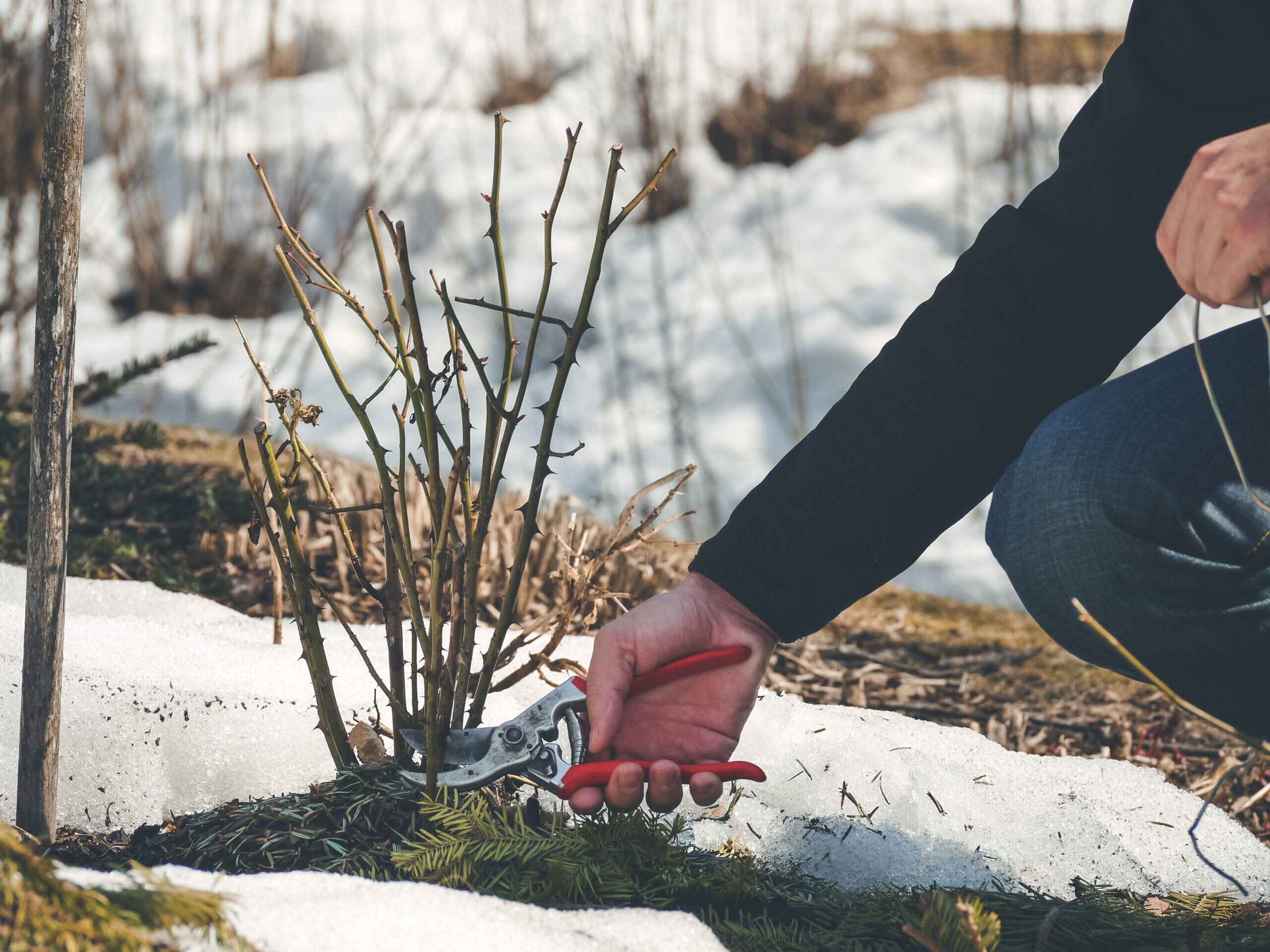
By spending time doing this now, you’ll encourage fresh new growth in the spring or summer, and you’ll be rewarded with more flowers and bigger fruits in autumn!
It is important to prune correctly and at the right time of year – the Gardeners World website offers in-depth and easy-to-follow advice on when & how to successfully prune back all these plants and many more. To find out further information click here.
Protecting
This is probably the quickest and easiest win out of all those winter care jobs!
If you have potted plants, simply move them to a more sheltered part of the garden, or if you have a greenhouse, then pop the more delicate plants inside here over the winter months. If the plant pots can’t be moved then you can simply cover them with burlap-type clothes, garden fleece, or even recycle some of that bubble wrap to protect them from winter burn. You could also add mulch over the roots of tender plants for added protection.
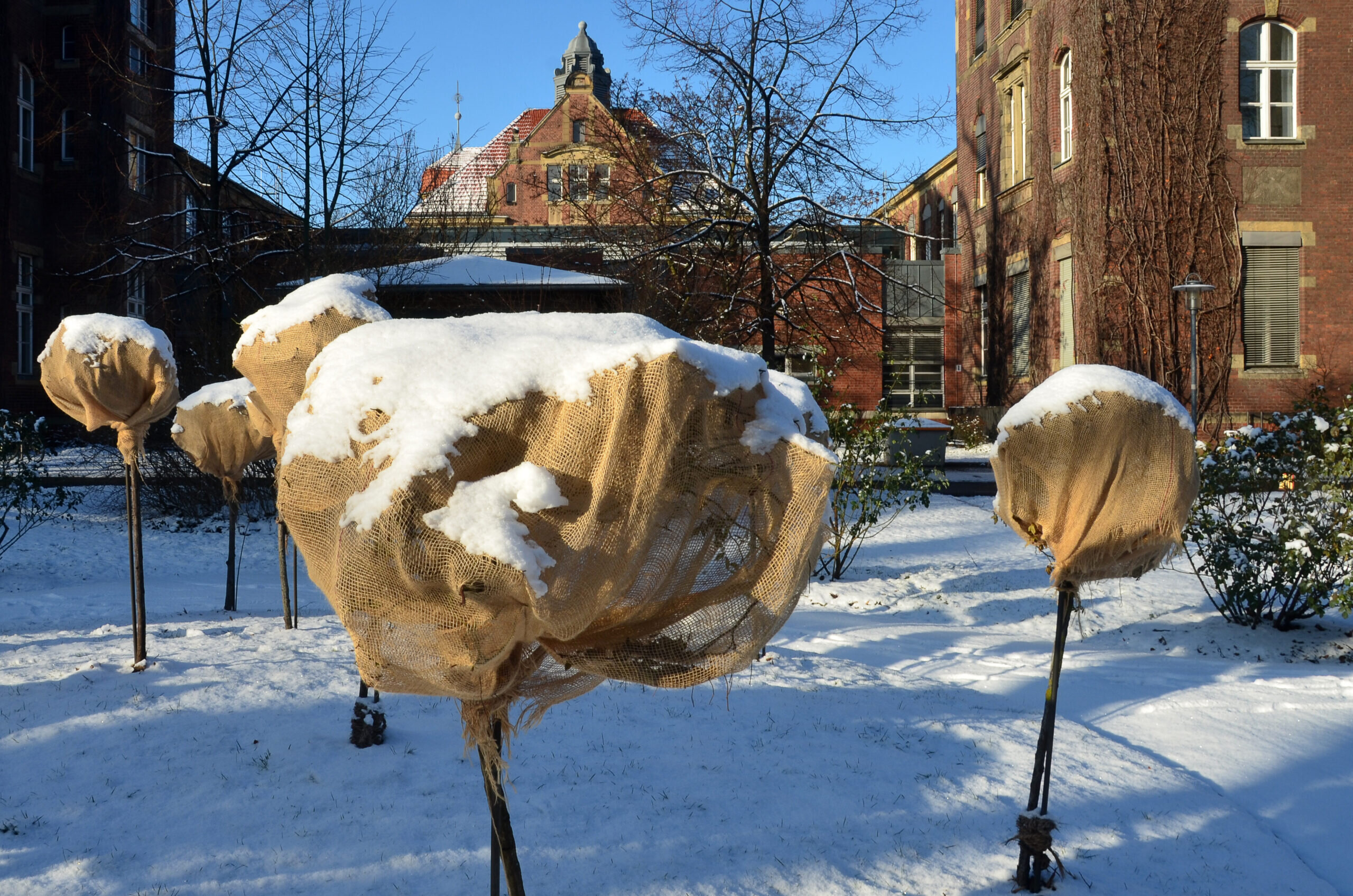
If it snows then the advice is to take a broom and knock snow off plants and trees before it freezes, otherwise, some of your plants could suffer irreparable damage.
The Gardeners World website is a great place to get further tips and advice on protecting your plants over the winter months. To find out further information click here.
Protecting your garden
Whilst caring for your plants in winter is vital, it’s just as important to care for timber, such as decking, pergolas, safety barriers, composite decking, and artificial grass which you may have. These tasks shouldn’t be too onerous, and we think little and often is the best approach to keeping these materials in top shape!
- Clear – often:
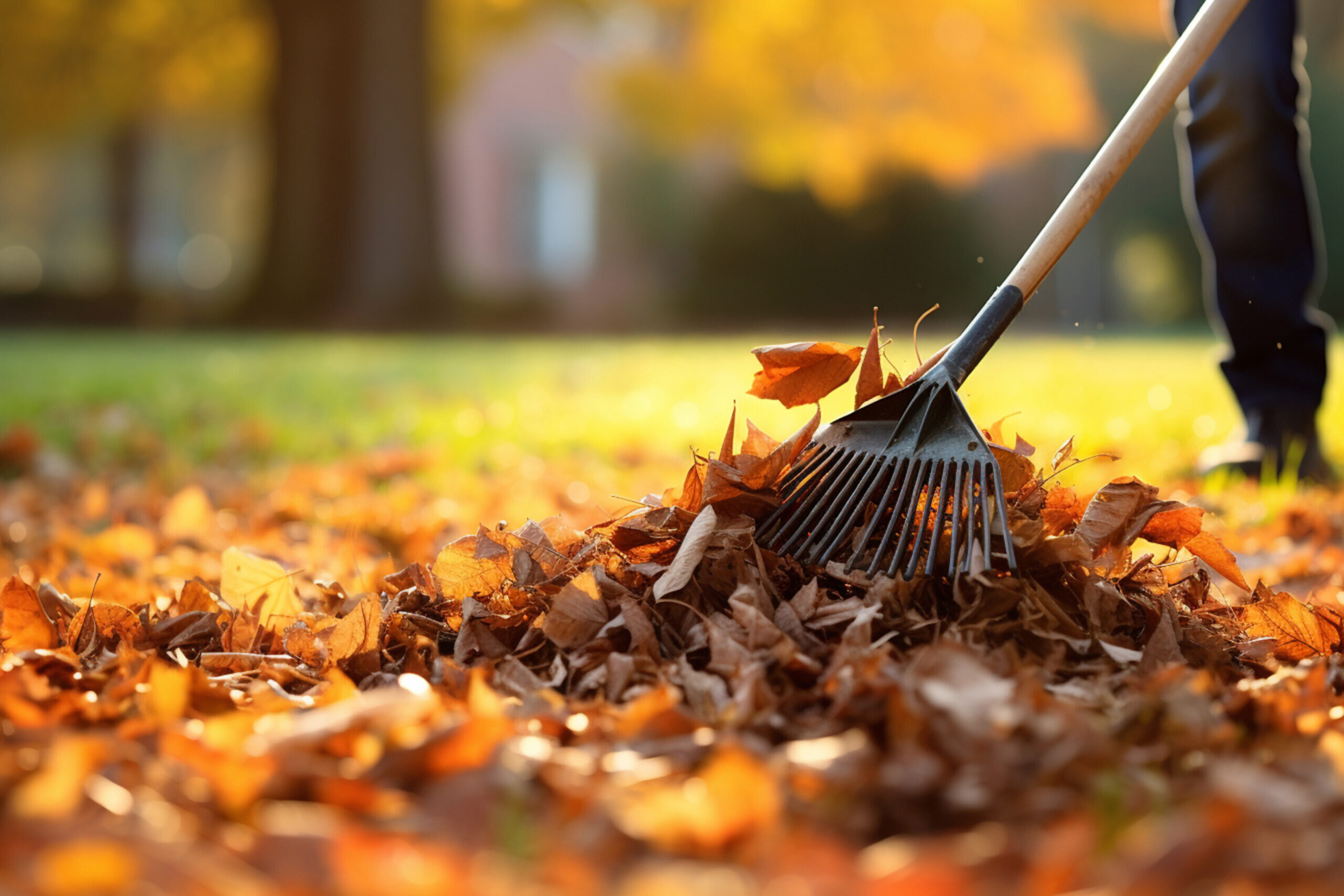
Firstly, keeping your decking and grass clear of winter debris is the key to minimising the amount of care and repairs required overall, so try to keep on top of dead leaves and fallen branches. Give your decking and grass a regular sweep, or if you have one, use a leaf blower to save time. Remember to sweep your artificial grass in the correct direction – opposite to the artificial fibres!
- Clean – once or twice a year:
When the weather starts to warm up for spring, give timber structures a good clean using warm soapy water and a brush. You could use a jet washer to make it more fun! This will remove any dirt, algae or moss that has built up and keep your decking from becoming slippery. It’ll also mean you’ll want to get out and use it once it is nice enough to do so! You can do the same with composite decking.

3. Treat – once a year:
Ideally, it is best to clean any timber in autumn and then treat it for protection a couple of days later, if dry. This will allow it to withstand the harsh temperatures and wet months of winter. However, if you have missed doing this in autumn you can also complete this job in winter or spring, whenever the weather is dry, sunny, and warm for a few days! For protection, you can choose to apply a protector, oil, or stain. Although they generally all provide the same level of protection, each one gives a subtle change to your timber’s gloss and colour. For further advice on which one to use and how to apply it, visit your local DIY Depot and speak to one of their customer service assistants who are extremely knowledgeable and keen to help. Lastly, only apply treatment in well-ventilated areas to reduce the risks to your lungs and eyes and always wear the appropriate safety equipment, goggles, a face mask and gloves!

- Check damage and replace – once a year:
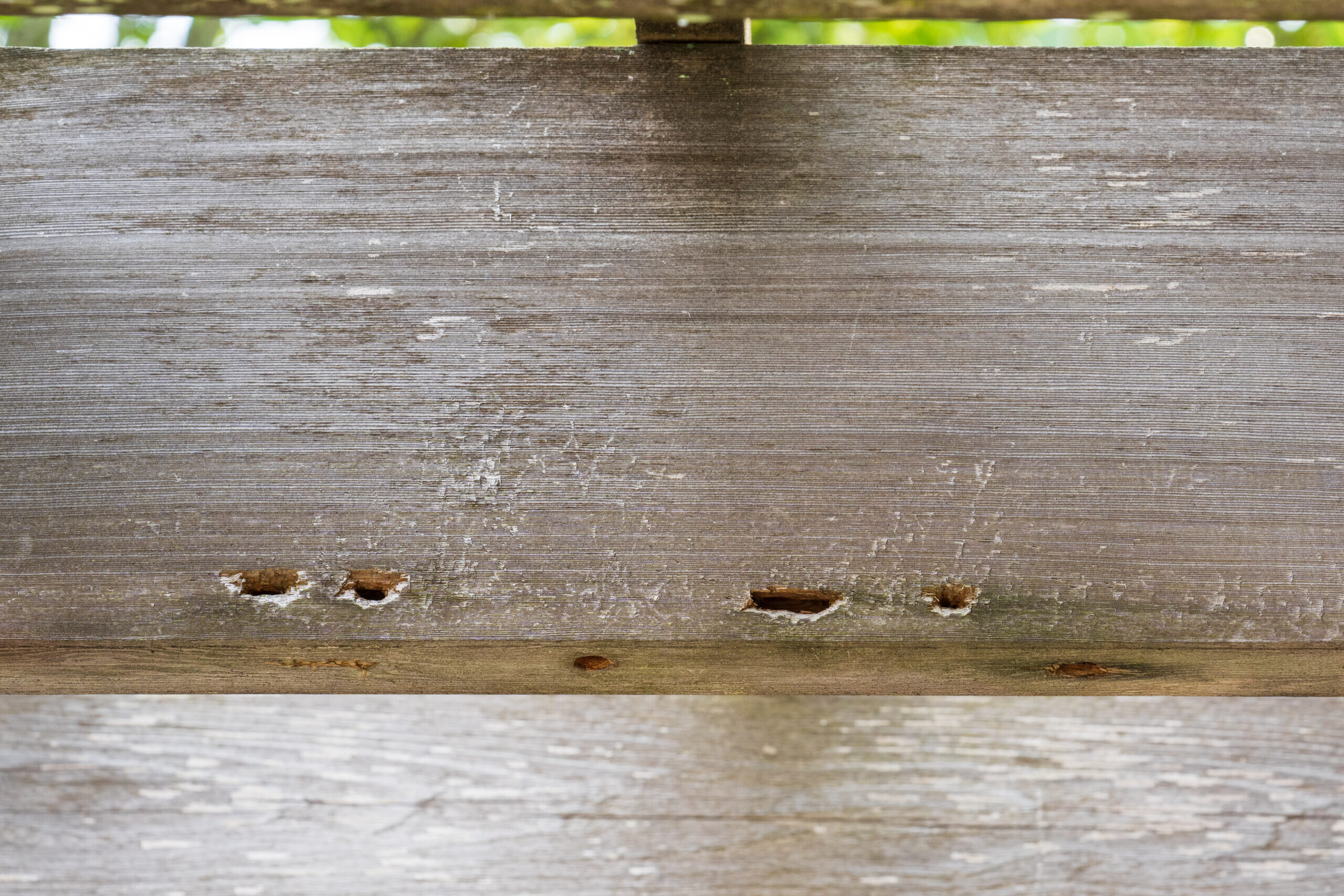
Once you have cleaned and treated any timber, it is important to check for any rotten, loose, or missing timber joints or decking planks. Simply test your decking by walking on it. If you find any spongy or bouncy areas or bits that are missing, get them checked out more thoroughly and replace them ASAP if needed; the last thing you want to do is to put a foot through some rotten boards or get a wheelchair stuck on broken timber! Also knock or tap any overhead timbers, such as pergolas or archways, to make sure that the joints are not loose, Again, you wouldn’t want to cause injury if a loose bit of timber were to fall! Use a broom and knock each piece of timber a couple of times; you’ll soon know if you have any loose bits. Just make sure you stand to the side of any structure when you’re doing this and not directly below! If you’re in doubt, ask a family member, friend, or neighbour to check for you. If you keep on top of clearing, cleaning, and treating timber regularly then you should be free of rot, damage, or loose joints for many years to come.
As long as you keep on top of clearing and cleaning composite decking then this should look after itself for many, many years!
- Artificial grass – additional care:
Artificial grass requires a few more steps for the best winter care and longevity: Firstly, if moss appears, you should use an anti-moss treatment, best done in the spring or autumn seasons. Do not use acidic solutions or bleach to do this as they can cause damage to your turf’s fibres, they can also be harmful to pets and children! A natural, inexpensive, and safe remedy is to mix 2 tablespoons of white vinegar with 5 litres of water and liberally apply it to problem areas daily until they die off. Then simply sweep up and remove the debris.
If you think snow is due, then prevention is better than cure: you can cover your artificial lawn with a waterproof ground sheet if your garden dimensions allow. Snow on artificial grass can quickly turn into packed ice which can become very dangerous to walk on as well as damaging the grass fibres. If you get caught by snow, however, then when it’s stopped and if it’s safe to do so you should remove it from the grass using a plastic shovel.
Pet stains should be removed immediately if possible. This can be done using lukewarm water mixed with a gentle household detergent, such as washing-up liquid. Rinse down the areas affected using a garden hose, this will help to remove any lingering smells created by pet waste!
Once you’ve cleared, brushed, and cleaned your grass, check for damage. If the edge of your lawn starts to lift away from the frame, it can be refastened with clout head nails which you can buy from your local DIY store.
Lastly, please avoid blades, studs or any type of spiked footwear when using your grass. You should never smoke, have bonfires, BBQs, fire pits, or even fireworks on your lawn as hot items can melt the surface and cause permanent damage.
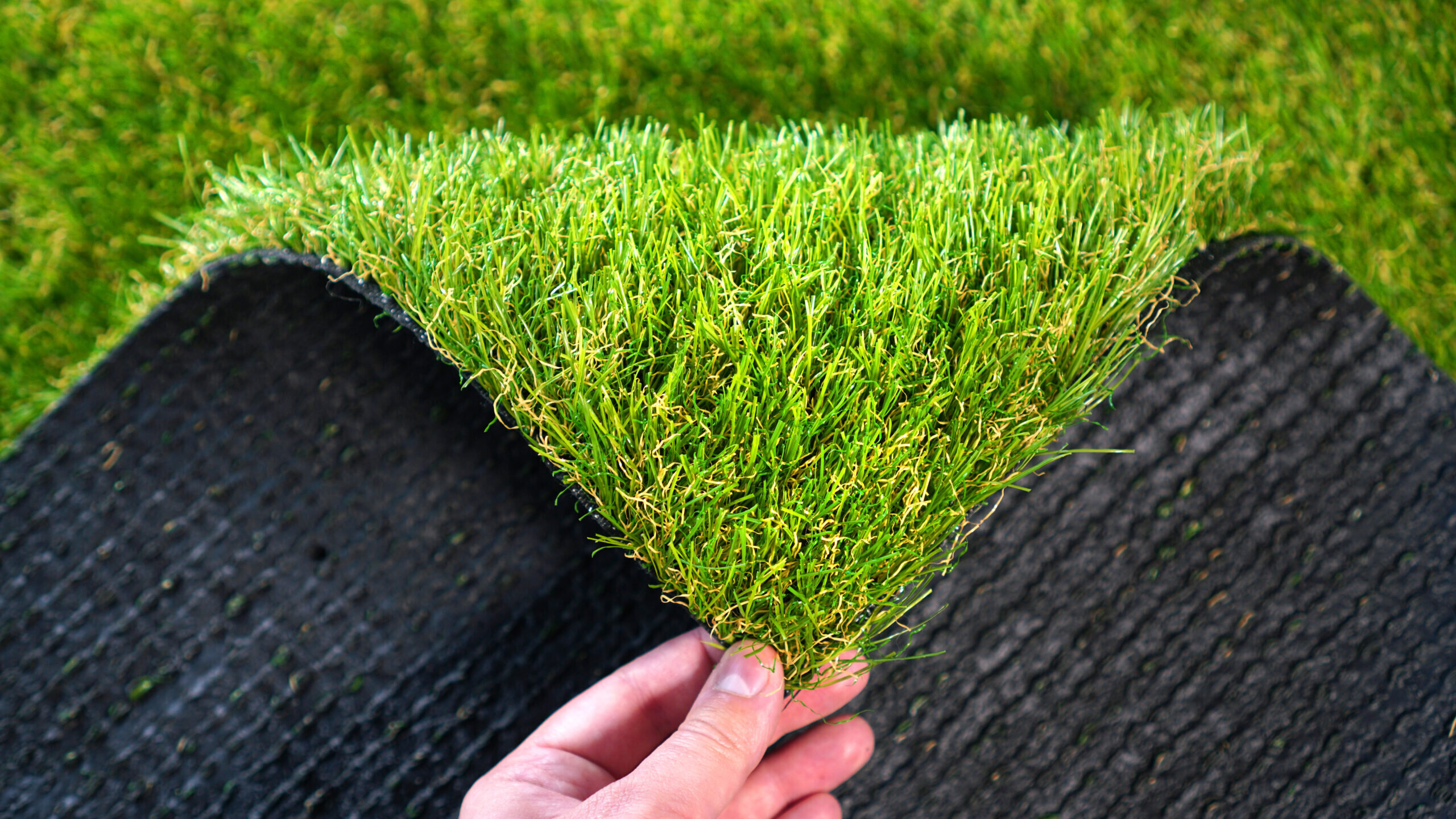
If you follow these quick and easy maintenance steps, you should have trouble-free usage for many years!
Wildlife
Perhaps gardening, let alone winter gardening, isn’t your cup of tea, but you do love to watch the abundance of wildlife found there, right? Well, if that’s the case then now’s a great time to provide valuable food and shelter to all sorts of animals, including, birds, hedgehogs, mice, and insects!
Birds
Birds require year-round feeding, but it’s even more vital in winter. Bird seed can be picked up for as little as £1.25 per kilo from stores or even less online if you can afford to buy in bulk.
To save more money, you can make your own bird feeders using everyday items! An empty plastic bottle and some string are all you need – a nice little project for your child to do?! You can find out how to do this in our article on Fun Garden Ideas and small projects.
What really helps the birds in your garden to thrive during these long cold winter months, however, are fat blocks (otherwise known as Suet Blocks) which can be hung from branches or fencing in wire holders or coconut shells. You can buy a single holder and a few fat blocks for £12.00 total on Amazon.
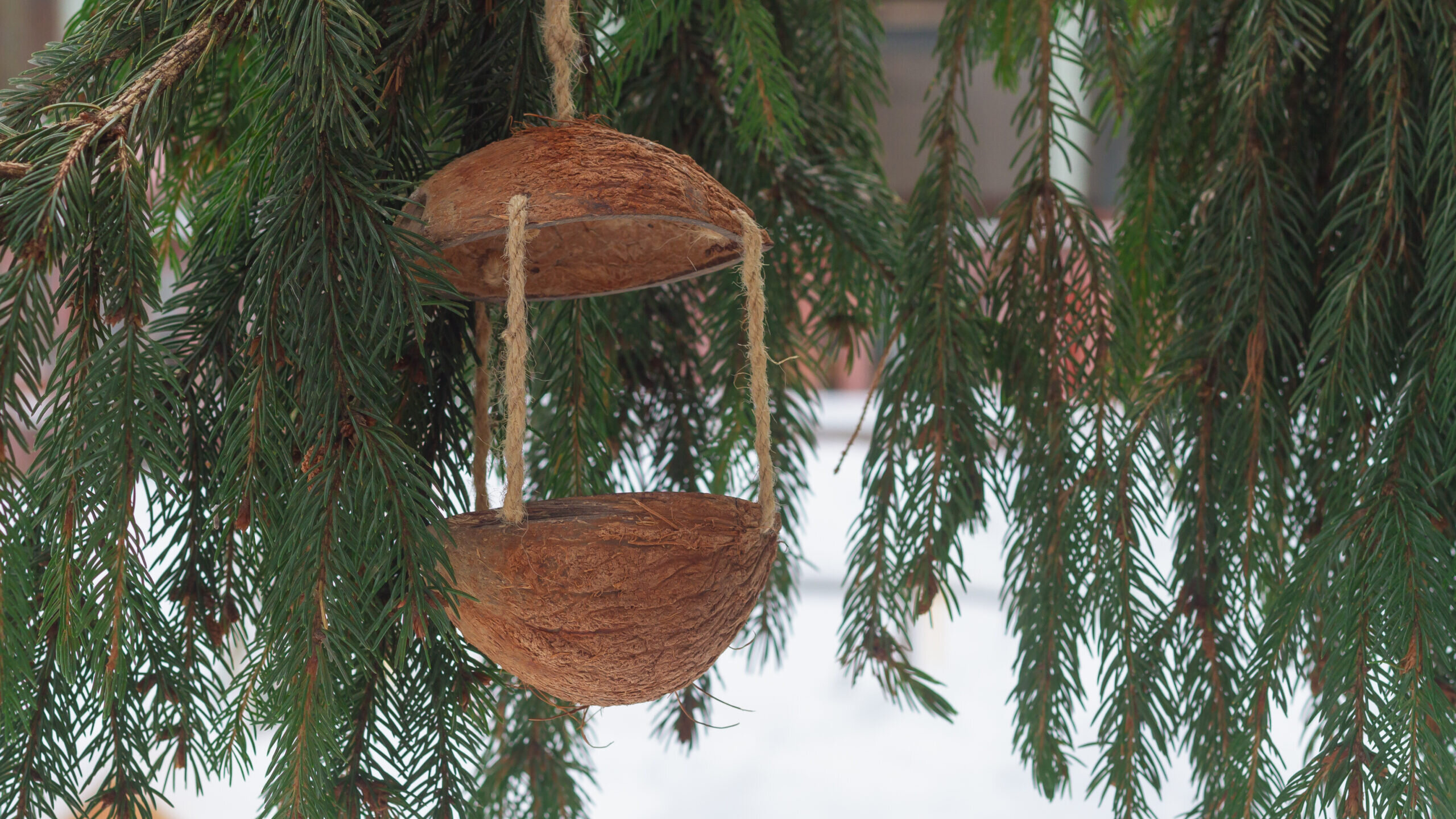
To help birds stay strong and thrive, you can provide fresh drinking water via bird baths or a shallow tray filled with clean water. You can help further by making sure that ice on frozen ponds is kept broken up using a pole or broom handle to do so.
Hedgehogs
Hedgehogs should be hibernating in the winter so it is best to simply leave them be!

If you would like to encourage hedgehogs into your garden, you can build a simple hedgehog house from a few old bricks! The RSPCA website shows exactly what you need and how you need to build one.
The RSPCA website is fantastic and covers all aspects of wildlife-friendly gardening all year round. Take a look here.
The Gardeners World website is also a great source of inspirational ideas concerning wildlife winter care. Take a look here.
If you have any comments, ideas, or suggestions about this article please contact us at [email protected]
Please don’t forget to leave feedback on this article!
Roger Merritt, Project Manager
Kathy Gibson, Digital Information Officer
First published: January 2024
Review due: January 2025