Living with COVID-19
This article looks at how the UK is managing Covid-19 since the end of the global emergency status, and how we can learn to live with the virus.
On the 5th May 2023, the World Health Organisation (WHO) ended the global emergency status for COVID-19, more than three years after its original declaration, and advised we should now manage the virus along with other infectious diseases.
This does not mean the danger is over; the emergency status could be reinstated if the situation changes. It does mean it is now up to individual countries to continue to manage COVID-19 in the way they think best.
This article looks at how the UK is managing COVID-19 since the end of the global emergency status, and how we can learn to live with the virus.
What is Covid-19

COVID-19 (Coronavirus) is an infectious disease caused by the SARS-CoV-2 virus. It is an illness that can affect the lungs and airways.
Most people infected with COVID-19 will experience mild to moderate respiratory illness and recover without requiring special treatment. Some people will experience no symptoms at all. Usually, children have a milder illness with fewer symptoms, but there have been cases that have been more serious.
Elderly people and adults with underlying medical conditions, such as chronic respiratory disease and cardiovascular disease, are more likely to develop a serious illness.
To read more about COVID-19 you can view the Government Greenbook here.
Symptoms

The official list of symptoms has evolved over the last few years, due to different variants of the virus and the number of people who have been vaccinated. The list of officially recognised symptoms of coronavirus was recently expanded. It includes the three main symptoms of the virus that have been on the list for a long time:
- Fever (a high temperature means you feel hot to touch on your chest or back)
- Cough (a new, continuous cough. Coughing a lot for more than an hour, or 3 or more coughing episodes in 24 hours)
- Change in taste or smell (including losing one or both)
It now also includes a broad range of symptoms, many of which are similar to other illnesses, like the common cold. These include:
- Shortness of breath
- Feeling tired or exhausted
- Aching body
- Headache
- Sore throat
- Blocked or runny nose
- Loss of appetite
- Diarrhoea
- Feeling sick or being sick
You can learn more about COVID-19 symptoms in adults and children on the NHS website.
Children with serious health needs may have their ‘own normal’. If you feel your child is sicker than they normally are, are getting worse, or have any new symptoms, trust your instincts and seek medical advice urgently. You can use the NHS non-emergency service to do this. Call 111 from any phone or use their online service.
Medication should continue to be administered if you or your child develop symptoms. If unwell with a fever, use your normal first-line defence medications to treat these symptoms.
Testing
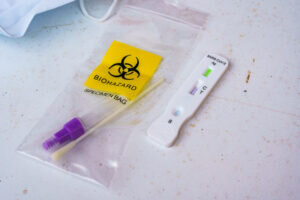
NHS COVID-19 rapid lateral flow tests are no longer free for most people.
You may still be able to get free COVID-19 rapid lateral flow tests from the NHS if:
- You have a health condition which means you’re eligible for COVID-19 treatment
- You’re going into the hospital (you will be informed via your hospital appointment letter if you need to test before going in).
- You work in healthcare or adult social care
If you are eligible for free lateral flow tests, you can order them here.
If you want to get tested but are not eligible for free tests, you can buy rapid lateral flow tests from pharmacies and retailers, in person or online.
To read more about the Government’s new testing approach see here.
Prevention/Infection Control
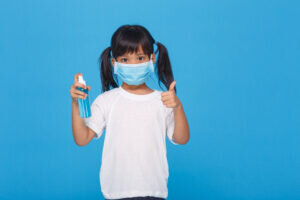
The best way to prevent and slow down transmission is to be well-informed about COVID-19 and follow NHS advice.
Remember, you can still catch or spread COVID-19 if you do not have symptoms, are fully vaccinated, and have had the virus before.
Many people will no longer be infectious after 5 days, but you can be infectious for up to 10 days.
To reduce the risk of catching and spreading of Covid-19, you can:
- Get vaccinated and have boosters.
- Wash your hands with soap and water or use hand sanitiser regularly throughout the day, especially after you cough, sneeze, blow your nose, and before you eat or handle food.
- Cover your mouth and nose when you cough or sneeze and encourage children to do this.
- Regularly clean surfaces you touch often (such as door handles and remote controls) and in shared spaces, such as kitchens or bathrooms.
If you or your child are at increased risk of getting ill from COVID-19, there are extra steps you might want to take to help reduce your chance of catching it:
- Try to avoid contact with people who have symptoms of COVID-19 until they feel better, or 10 days after they test positive.
- Open windows and doors if you meet people inside or meet them outside instead.
- Ask people to wear a face covering or take a rapid lateral flow test if you’re meeting them inside.
- Stay at least 2 meters away from people (particularly indoors or in crowded places).
- Work from home if you can, or talk to your employer about how they can help reduce your risk at work.
- Wear a face covering (that fits snugly against your face and has more than 1 layer) when it’s hard to stay away from other people.
Vaccines
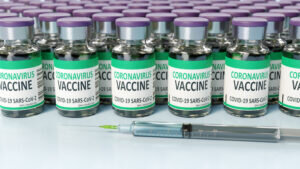
The Government has offered most people living in the UK a primary course of vaccines and booster jabs for COVID-19. Everyone over 5 years old wanting a vaccine should now have had one.
In May 2023, the Joint Committee on Vaccination and Immunisation (JCVI) advised that clinically vulnerable children aged 6 months to 5 years should now also be offered the vaccine.
Click here to check if you or your child need a vaccine and to book an appointment.
The Booster jabs are designed to boost people’s immunity against COVID-19 after they have had their primary course of one of the vaccines. There is also evidence that the booster jabs make the vaccine more effective against the different variants of the virus.
See here for further information on how many booster jabs you should have and when you should have them.
Financial Impact

There are no longer any COVID-19 Government funded financial schemes for individuals, although some Local Authorities may be able to still assist small to medium sized businesses, see here for further information.
For more information on other financial support that may be available to you, please see our articles on the Information Hub:
Financial Benefits You May be Entitled To
Government cost of living support package
Back to School
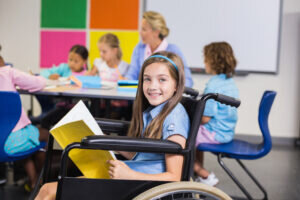
All children have been advised to return to their education setting since August 2022 and face coverings are no longer advised for pupils, staff, or visitors in classrooms or communal areas.
For children and young people aged 18 and under who test positive for COVID-19, the advice is to try to stay at home and avoid contact with other people for three days. This is because children and young people tend to be infectious to other people for less time than adults.
Schools should consider remote learning for pupils who do test positive for COVID-19 but who feel well enough to learn but are following advice to stay at home and avoid contact with other people for three days.
National Tutoring Programme
A National Tutoring Programme has been set up to support schools that have been dealing with the challenges caused as a result of the coronavirus pandemic. Its aim is to provide additional support to schools to help pupils whose education has been most affected by school closures. Please speak to staff at your child’s school to check if you are eligible for this support.
Guide for children
The Children’s Commissioner has produced a guide for children to talk about the changes at schools, as well as providing tips on how to cope if they’re feeling worried or nervous, plus helpful resources to stay safe.
Guide for Parents
The NHS Every Mind Matters site has information for parents about supporting their child with additional needs to return to school, which you can view here.
If you have concerns about your child returning to school or how an education setting is managing risk, you can contact the Child Law Advice service, which can provide free specialist legal advice and information.
You can view the Government’s Education Hub for the latest rules around COVID-19 in schools, colleges, nurseries, and other educational settings.
Travel

The COVID-19 pandemic has undoubtedly affected the way disabled people travel, making 38% fewer journeys than non-disabled people. The National Centre for Accessible Transport (NCAT) launched in February 2023 and will work with disabled people, disabled people’s organisations, transport providers, and policymakers to develop solutions which will make transport more accessible for everyone.
Travel Health Pro have a factsheet that provides an overview and advice on the points to consider when travelling with additional needs and/or disability.
Click here for foreign travel advice, including the latest information on coronavirus, safety and security, entry requirements, and travel warnings.
The information in this article was correct at the time of publication but may be subject to change.
If you have any comments, ideas, or suggestions about this article please contact us at [email protected]
Please don’t forget to leave feedback on this article!
Kathy Gibson, Digital Information Officer
First published May 2023
Last reviewed July 2024
Next review due February 2025